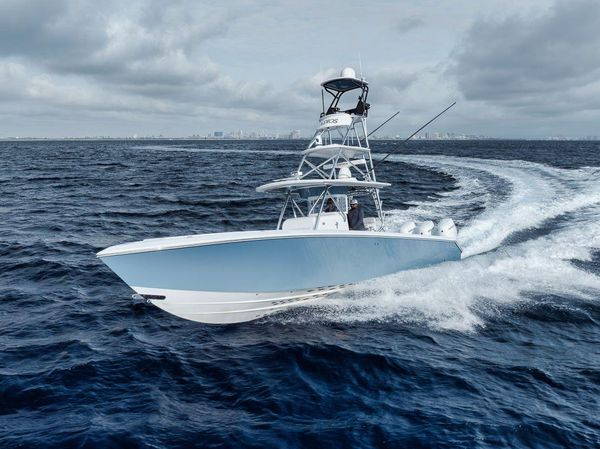
Florida is a major destination for yacht buyers because its coastline, marinas, offshore fishing grounds, and boating facilities support a wide range of recreational and sportfishing activities. For buyers interested in a Viking 54 Open, the state offers opportunities to compare vessels, inspect equipment, and evaluate boats in conditions relevant to their intended use.
A yacht purchase requires more than finding an attractive listing at a reasonable price. The vessel’s mechanical condition, maintenance history, onboard systems, ownership documentation, and previous use all influence its long-term value. Anyone searching for a Viking 54 Open for sale in Florida should establish clear buying criteria before arranging inspections or negotiating with a seller.
Why Consider a Viking 54 Open?
Viking yachts are associated with the sportfishing market, where offshore capability, practical deck arrangements, and reliable onboard systems are important considerations. An open-style sportfishing yacht can appeal to owners who want substantial fishing space while retaining the facilities needed for comfortable trips with family or guests.
A vessel in the 54-foot class may offer a large cockpit, dedicated helm controls, substantial storage, and an interior arranged for overnight stays. The exact configuration depends on the model year, installed options, and any modifications made by previous owners. Buyers exploring a Viking 54 Open for sale Florida can compare available vessels, inspect their onboard features, and evaluate maintenance records to find a yacht that suits their sportfishing needs and cruising preferences.
Buyers should confirm the vessel’s exact model designation rather than assume that every listing using the words “Viking 54 Open” describes an identical specification. Review the hull identification number, original documentation, engine package, and equipment list before comparing prices.
The intended use should guide the purchase. A boat primarily used for offshore fishing may have different priorities from one used for family cruising, entertaining, or extended stays at anchor. Establishing these priorities helps buyers assess whether a particular example is worth pursuing.
Where to Search for Viking Yachts in Florida
Florida’s boating market includes yacht brokerages, marinas, specialist dealers, and private sellers. Listings may be concentrated around major boating centres, including South Florida and the state’s Atlantic and Gulf coasts. Availability changes as boats enter and leave the market, so buyers should compare current listings rather than rely on old advertisements.
Work With a Broker Who Knows Sportfishing Yachts
A broker familiar with Viking yachts can help explain differences between model years, engine configurations, equipment packages, and market pricing. They may also have information about a vessel’s ownership history or upcoming maintenance requirements.
Ask direct questions about the boat’s condition, service records, previous damage, and reason for sale. A useful broker should be willing to arrange access to documentation and coordinate inspections rather than rely entirely on promotional photographs.
Buyers should clarify the broker’s role in the transaction, how commissions are handled, and whether the broker represents the seller, the buyer, or both parties. Any conflicts of interest should be understood before negotiations proceed.
Compare Listings Carefully
Create a shortlist of vessels that match the intended budget and use. Record each boat’s model year, asking price, engine hours, equipment, service history, and general condition. Photographs can help identify differences, but they cannot establish the condition of the hull, engines, or concealed systems.
A lower asking price may reflect overdue servicing, outdated electronics, damaged upholstery, or expensive mechanical work. A more expensive example may offer better maintenance records and recent upgrades, although those improvements should still be independently verified.
Compare boats of similar age and specification wherever possible. Differences in engine packages, optional equipment, refits, and usage can make headline price comparisons misleading.
Inspect the Engines and Mechanical Systems
The engines deserve particular attention because repairs on a large sportfishing yacht can be expensive. Request the engine manufacturer’s service records, available diagnostic reports, maintenance invoices, and details of any major repairs or replacements.
Engine hours provide useful information about usage, but they should not be treated as a complete measure of condition. Operating patterns, maintenance quality, storage conditions, and adherence to service schedules all influence mechanical reliability.
A qualified marine technician should inspect the engines and associated systems. Depending on the installed configuration, this may include cooling systems, fuel delivery, turbochargers, exhaust components, electronic controls, and other equipment. The technician should identify immediate concerns and estimate the cost of work that may be required soon.
The generator, air-conditioning system, batteries, charging equipment, steering, pumps, and electrical panels also require attention. Ask the seller to demonstrate major systems while the vessel is safely accessible. Equipment that is listed as operational should be tested rather than accepted on the basis of a verbal assurance.
A sea trial provides additional information about acceleration, handling, engine temperatures, vibration, and system performance under operating conditions. It should be arranged after the appropriate preliminary inspections, with a qualified professional involved where necessary.
Evaluate the Hull, Cockpit, and Interior
The hull and deck should be examined for signs of damage, previous repairs, water intrusion, and deterioration. A professional surveyor can assess the structure and recommend further testing when concerns arise.
Pay particular attention to areas around fittings, windows, hatches, deck hardware, and other penetrations. These locations can develop leaks if seals or installation details deteriorate. Evidence of repeated repairs should be documented and investigated before the buyer accepts responsibility for the vessel.
The cockpit is central to the usefulness of a sportfishing yacht. Inspect the deck surface, drainage, storage compartments, seating, bait-preparation facilities, and fishing equipment. Check whether modifications have been installed professionally and whether they interfere with movement or access to essential systems.
Inside, assess the condition of the accommodation, galley, bathrooms, lighting, ventilation, and climate control. Musty odours, unexplained staining, corrosion, or damp materials deserve further investigation. Cosmetic wear may be manageable, but concealed water damage can require considerably more work.
Understand Florida’s Ownership and Operating Costs
Florida buyers should budget for more than the purchase price. Insurance, marina fees, fuel, maintenance, haul-outs, cleaning, and storage can add substantial annual costs to ownership.
Obtain insurance quotations before making a binding commitment. Insurers may consider the yacht’s value, age, engine configuration, navigation limits, owner experience, and survey findings. Coverage terms can vary, so compare exclusions, deductibles, and requirements for professional operation or hurricane preparation.
Dockage also deserves early attention. Confirm that the intended marina can accommodate the vessel’s length, beam, draft, and other requirements. Ask about electrical connections, service access, security, and storm procedures.
Florida’s tropical weather makes hurricane planning particularly relevant. Discuss haul-out availability, suitable storm storage, marina policies, and the owner’s responsibilities under the insurance agreement. A practical plan should be established before storm warnings arise.
Buyers should also investigate registration, title, taxes, and any applicable documentation requirements. The correct process depends on the vessel’s ownership history, current documentation status, and the nature of the transaction. A qualified maritime professional can help identify outstanding issues, including liens or unresolved claims.
Negotiate After the Inspection
Negotiations should be based on verified condition, comparable listings, and realistic estimates for required work. A survey report can identify issues that affect value, but buyers should obtain specialist quotations for significant mechanical or structural repairs.
Separate essential repairs from optional improvements. An engine concern or structural defect may justify a different offer from worn cushions or dated entertainment equipment. Keep written records of the findings and any agreements about repairs, credits, or equipment included in the sale.
The purchase agreement should clearly address the deposit, inspection period, sea trial, documentation, closing arrangements, and conditions under which the buyer may withdraw. Deposit handling and cancellation terms should be reviewed carefully before funds are transferred.
Avoid rushing because a seller claims another buyer is ready to proceed. A yacht represents a substantial financial commitment, and the time spent verifying its condition can prevent costly disputes later.
Choosing a Yacht That Fits Your Plans
A Viking 54 Open can be a compelling option for buyers who value offshore sportfishing and the facilities needed for longer outings. The best example is not necessarily the newest or most expensive boat, but the one whose condition, specification, and running costs align with the buyer’s needs.
For anyone considering a Viking 54 Open for sale in Florida, a structured process makes the purchase easier to assess. Compare listings, review ownership documents, arrange an independent marine survey, obtain a professional engine inspection, and conduct a suitable sea trial before completing the transaction.
Careful preparation also helps buyers negotiate from a stronger position. A yacht with documented maintenance, verified specifications, and a clear ownership history offers a more dependable basis for a purchase than one supported mainly by attractive photographs and broad claims about performance.