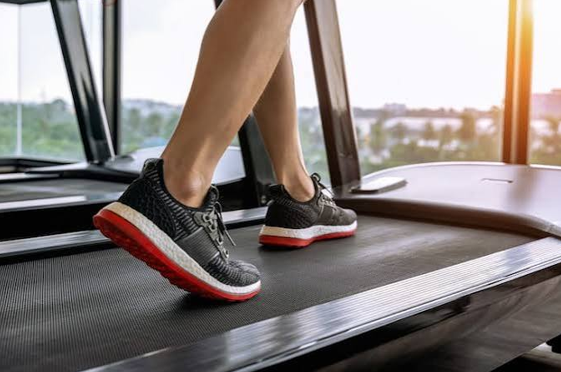
A busy day rarely leaves much room for changing plans. An early commute, a quick coffee stop, hours at work, and an evening gym session can all fit into the same schedule. Choosing footwear that feels comfortable across these activities makes getting through the day easier. The right gym shoes sneakers can provide the support needed for everyday movement while preparing you for a planned workout.
However, not every sneaker is designed to handle the same demands. Walking across town requires different features from lifting weights or completing a high-intensity training session. Finding a suitable pair starts with understanding your routine, the surfaces you encounter, and the exercises you perform most often.
Early Mornings Call for All-Day Comfort
The first few hours of the day can involve more walking than expected. Getting ready, travelling to work, taking public transport, and running errands all put repeated pressure on your feet. Shoes that feel comfortable during these ordinary activities can make an early start less tiring.
Cushioning is one feature worth examining. A well-designed midsole helps absorb some of the impact created by walking on hard surfaces. The amount of cushioning you need depends on personal comfort, walking distance, and the type of activity you perform.
Breathability also matters during long days. Mesh uppers allow air to circulate, helping manage heat and moisture as you move between indoor and outdoor environments. Lightweight construction may make shoes feel less cumbersome during extended periods of wear.
Pay attention to the heel and tongue as well. These areas should sit comfortably without rubbing or creating pressure. Even attractive sneakers can become frustrating if they cause irritation before the workday has properly started.
See also: Single Tooth Dental Implant: Procedure, Benefits, Recovery, and Cost
Choose Footwear That Fits Around Your Schedule
People with packed schedules often prefer versatile footwear that does not require constant changes throughout the day. A suitable pair should match the activities performed most frequently rather than trying to accommodate every possible situation.
For example, someone who walks to work and completes a moderate gym session might prefer a versatile training shoe. A person whose routine includes long-distance running may need a dedicated running shoe with cushioning and support suited to repetitive forward movement.
The distinction becomes more important during strength training. Running shoes with soft, elevated midsoles may feel less stable during heavy lifts than training shoes designed with a firmer platform. For exercises involving quick lateral movements, a shoe with appropriate side-to-side support can provide a better fit for the activity.
Before buying gym shoes sneakers, make a realistic list of your daily activities. Consider how much time you spend walking, standing, commuting, and exercising. This simple assessment can help you choose footwear that suits your actual routine instead of relying entirely on appearance or current trends.
A Secure Fit Makes Long Days Easier
Footwear that fits properly can make a noticeable difference during a demanding day. Shoes that are too tight may create pressure around the toes, while loose footwear can allow the heel to slip and cause friction.
Try shoes with the socks you normally wear to work or the gym. Make sure there is enough room for your toes to spread naturally, particularly during walking and exercise. The heel should remain secure without feeling squeezed, and the midfoot should feel supported without excessive pressure.
Width is just as important as length. Some people need wider toe boxes or specific width options to avoid discomfort. Choosing a larger size simply to gain extra width may cause unnecessary movement inside the shoe.
It is also worth testing both shoes before purchasing them. Walk around, bend your knees, and notice how the footwear responds to natural movement. If the shoe creates a pressure point during a short fitting, it may become more uncomfortable after several hours.
A good fit should feel comfortable from the start. There should be no need to tolerate sharp pressure or significant rubbing in the hope that the shoes will eventually adjust to your feet.
Gym Sessions Require More Than Soft Cushioning
Comfortable footwear for commuting is useful, but a workout introduces additional demands. Weight training, circuit sessions, treadmill running, and group fitness classes involve different combinations of impact, balance, and movement.
For strength training, a stable base can help you maintain your position during exercises such as squats and deadlifts. Training shoes with firmer midsoles often provide a more stable feel than highly cushioned running footwear. Some lifters also choose specialised lifting shoes for particular training goals.
Cardio workouts call for different considerations. Running involves repeated impact, so runners often benefit from footwear designed around their gait, comfort preferences, and running conditions. Indoor cycling, rowing, and low-impact exercise may require less cushioning than running, although the ideal shoe still depends on the equipment and activity.
Group fitness classes can include jumping, short sprints, and movements in several directions. Shoes intended for cross-training may offer a useful balance of cushioning, flexibility, traction, and lateral support.
Matching footwear to the main workout helps prevent a common mistake: assuming that the softest sneaker is automatically the best option for every exercise.
Keep Your Style Practical for Work and Travel
Busy schedules often involve moving between different settings without much time to change clothes. Neutral colours, simple designs, and clean silhouettes can make sports footwear easier to pair with casual workwear, jeans, joggers, and everyday outfits.
Black, grey, navy, and white sneakers tend to coordinate with a wide range of clothing. These colours can also be practical for regular use because minor marks may be less noticeable on certain darker materials. However, cleaning requirements depend on the fabric and finish.
Materials deserve attention beyond appearance. Mesh can offer ventilation, while synthetic overlays may provide additional structure or protection in specific areas. Some designs use mixed materials to balance flexibility and support.
Consider the fastening system, too. Traditional laces allow adjustments across the foot, while alternative closure designs may make putting shoes on and taking them off quicker. The right option depends on personal preference and how securely the shoe fits.
A versatile design can reduce the need to carry an extra pair during the day, provided the footwear remains appropriate for the workout you plan to complete.
Maintain Your Sneakers Between Workouts
Daily use exposes footwear to sweat, dust, rain, and repeated friction. Basic care can help preserve the condition of your shoes and keep them comfortable for longer.
Allow sneakers to air-dry after exercise instead of leaving them inside a closed gym bag. Removing the insoles, if the manufacturer permits it, can help moisture escape. Avoid direct heat from radiators or other strong heat sources because it may damage adhesives and materials.
Clean the uppers and soles according to the care instructions. A soft brush can remove loose dirt, while a damp cloth may work for many everyday stains. Some materials require specialised cleaning products, so check the manufacturer’s guidance before washing the entire shoe.
Inspect the outsole and midsole regularly. Worn tread, damaged seams, compressed cushioning, or a noticeable decline in support can indicate that replacement is needed. The rate of wear depends on how frequently the shoes are used, the surfaces involved, and the intensity of the activity.
People who exercise frequently may benefit from rotating between two pairs. This gives each pair more time to dry and helps separate everyday wear from demanding training sessions.
Make Your First Step Count
A productive day often begins before the gym doors open. The footwear you choose for the morning commute can influence how comfortable you feel during errands, time at work, and the journey to your workout.
Selecting gym shoes sneakers requires more than finding a design that looks good. Think about fit, cushioning, stability, breathability, and the exercises you perform regularly. If your routine includes heavy lifting or specialised sports, a dedicated pair may be a better choice than expecting one sneaker to do everything.
The most practical footwear is the pair that suits your schedule and feels right on your feet. By choosing according to your daily habits rather than appearance alone, you can build a footwear routine that supports early starts, long working hours, and the workout waiting at the end of the day.