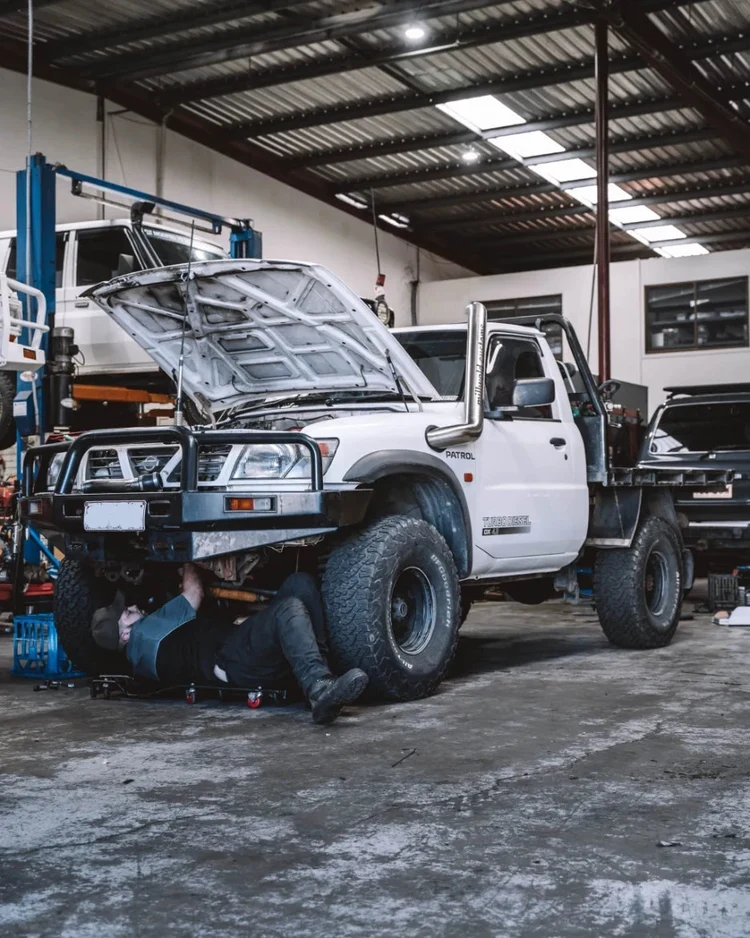
Diesel vehicles are often chosen for their pulling power, durability, and ability to handle demanding work. For 4WD owners, these qualities are particularly useful when towing trailers, travelling on steep roads, or driving across rough terrain. However, the way a vehicle responds under load also depends on its engine management system, fuel delivery, turbocharger, and overall mechanical condition.
Diesel chip tuning can change how an electronically controlled diesel engine delivers power and torque. The results depend on the vehicle, its existing setup, and the quality of the tuning process. Drivers in Brisbane should understand the available options before choosing a modification, especially if their vehicle is used for towing, touring, or regular off-road travel.
What Does Diesel Chip Tuning Actually Do?
Diesel chip tuning involves modifying engine management settings to alter how an engine operates. Depending on the vehicle and tuning method, adjustments may affect fuel injection, turbocharger boost targets, torque limits, and throttle response.
Older tuning methods sometimes involved replacing or modifying a physical chip in the engine control unit. Many modern vehicles instead use ECU recalibration, where compatible engine management software is adjusted without replacing the original control unit.
The purpose is to match engine operation to suitable performance goals while respecting the limitations of the engine and supporting components. A tune designed for a lightly loaded vehicle may not be appropriate for a 4WD that regularly tows a caravan or carries heavy equipment.
Drivers researching diesel chip tuning should first establish which tuning options are compatible with their vehicle’s make, model, engine, and existing modifications.
Why Brisbane Drivers Consider Diesel Tuning
Brisbane drivers use diesel vehicles for a wide range of purposes, from daily commuting to regional travel and demanding off-road trips. The right performance modification depends on how the vehicle is driven rather than on a single advertised power figure.
Better Response Under Load
A suitable tune may improve how an engine responds when accelerating or climbing hills. This can be useful for vehicles carrying camping equipment, towing trailers, or travelling through hilly areas.
The actual improvement varies according to the engine and its original calibration. A vehicle with existing mechanical problems may not respond as expected until those issues have been repaired.
More Usable Torque
Torque affects a vehicle’s ability to pull a load and accelerate without excessive effort. Some diesel tuning options adjust engine management parameters to deliver torque differently across the rev range.
However, higher torque is not automatically better in every situation. The transmission, clutch, driveline, cooling system, and other components must be capable of handling the revised output.
A Better Match for Vehicle Use
A touring 4WD, a work ute, and a recreational off-road vehicle may have different performance requirements. A suitable tuning plan considers these differences rather than applying identical settings to every vehicle.
For example, a vehicle used for long-distance towing may benefit more from predictable power delivery and controlled operating temperatures than from a tune focused solely on maximum acceleration.
Chip Tuning, ECU Remapping, and Plug-In Modules
Several methods can alter diesel engine performance. Understanding the differences helps vehicle owners compare the options available for their specific engine.
ECU Remapping
ECU remapping changes compatible software parameters within the engine control unit. Depending on the vehicle and calibration, this can alter fuel delivery, boost targets, torque limits, and other operating settings.
The quality of the calibration matters. Settings must account for the engine’s hardware, fuel system, turbocharger, and intended use.
Drivers can explore ECU remapping services in Brisbane to learn more about this type of engine management modification.
Performance Modules
A performance module is an additional device that interacts with selected engine signals or control systems. Its operation depends on the module design and vehicle compatibility.
Modules can differ in the parameters they influence, the level of adjustment available, and the way they communicate with the original engine management system. A module should not be assumed to provide the same functionality as a carefully calibrated ECU remap.
Before purchasing a module, confirm that it is designed for the exact vehicle and engine configuration. Installation instructions, warranty conditions, and compatibility with existing modifications should also be reviewed.
Mechanical Diesel Tuning
Some diesel engines rely on mechanical fuel injection systems rather than fully electronic engine management. Their tuning requirements differ from those of electronically controlled engines.
Mechanical adjustments may involve fuel delivery, injection timing, or other physical settings. Applying electronic tuning methods to a mechanically controlled engine is not appropriate unless the vehicle’s system supports them.
Identifying the engine type is therefore an essential first step.
What to Check Before Choosing a Tune
Performance modifications should begin with an assessment of the vehicle’s condition. Increasing engine output without addressing existing faults can create additional problems.
Before booking a tuning service, consider the following checks:
- Engine health: Investigate unusual noises, starting difficulties, oil leaks, and inconsistent power.
- Fuel system: Check filters, injectors, fuel supply, and related components.
- Turbocharger: Inspect boost hoses, intake connections, and the turbocharger for signs of faults.
- Cooling system: Confirm that the radiator, coolant, and associated components are in suitable condition.
- Transmission and driveline: Consider whether the clutch, gearbox, and other components can handle the intended output.
- Existing modifications: Disclose changes to exhaust systems, intake components, turbochargers, or engine hardware.
- Vehicle use: Explain whether the vehicle is used for towing, work, commuting, or off-road touring.
These checks help establish whether the vehicle is ready for tuning or requires repairs first. A healthy engine provides a more reliable starting point for assessing the effects of a calibration change.
Why Dyno Testing Can Help
A vehicle may feel stronger after tuning, but subjective impressions do not show the complete picture. Dynamometer testing allows performance to be assessed under controlled conditions.
A dyno can measure power output and help technicians compare results before and after adjustments. Depending on the equipment and testing procedure, it may also help identify inconsistent power delivery or changes that require further investigation.
Specialist diesel dyno tuning can support performance assessment when used alongside appropriate mechanical inspections and operating checks.
Dyno figures should be interpreted carefully. Results can vary according to testing conditions, vehicle configuration, temperature, and measurement methods. Peak power alone does not establish whether a vehicle is suitable for towing or prolonged operation under heavy load.
A useful assessment considers how the engine performs across its operating range and whether the revised setup remains within appropriate limits.
Fuel Economy and Reliability Considerations
Diesel chip tuning is sometimes promoted as a way to reduce fuel consumption. Although a suitable calibration may affect efficiency under certain conditions, savings are not guaranteed.
Fuel use depends on several factors, including driving style, vehicle weight, tyre pressure, gearing, terrain, towing loads, and maintenance. A driver who uses additional power more frequently after tuning may see little or no reduction in consumption.
Reliability also depends on how the tune interacts with the engine’s hardware. Excessive fuelling, unsuitable boost settings, or increased thermal stress can contribute to component wear or damage.
For vehicles that regularly tow, exhaust temperature management and consistent power delivery deserve particular attention. Owners should discuss the expected operating limits and any additional monitoring requirements with the tuning specialist.
A conservative calibration that suits the vehicle’s normal use may be more practical than pursuing the highest possible output.
Legal Requirements and Warranty Implications
Engine modifications can affect emissions compliance, vehicle certification, insurance, and manufacturer warranty arrangements. Requirements depend on the vehicle and the applicable Australian regulations.
Before proceeding, owners should confirm that the proposed modification is legal for their intended road use and does not compromise required emissions equipment or safety systems. They should also speak with their insurer and review relevant warranty conditions.
A tuning provider should be able to explain the scope of the proposed changes and identify any compliance considerations. Owners should avoid modifications that disable required emissions controls or interfere with essential vehicle systems.
These checks are particularly relevant for vehicles that travel regularly on public roads or are used for commercial work.
Choosing a Diesel Chip Tuning Provider in Brisbane
Selecting a tuning provider involves more than comparing advertised gains or introductory prices. The provider should understand the engine platform, explain the available tuning methods, and assess the vehicle before recommending changes.
Ask the workshop questions such as:
- Does the proposed tune suit the exact engine and transmission?
- Will the vehicle be inspected before adjustments are made?
- Are baseline and post-tuning performance measurements available?
- How will exhaust temperatures and other relevant operating parameters be considered?
- What are the possible effects on fuel consumption, component life, and warranty coverage?
- Will the modification comply with the applicable vehicle and emissions requirements?
Clear answers help distinguish a considered tuning process from one based on generic settings and unsupported performance claims.
Drivers should also confirm whether the provider can support the vehicle after installation if operating issues arise.
Making the Right Upgrade Decision
Diesel chip tuning can be suitable for some electronically controlled diesel vehicles, but its value depends on compatibility, engine condition, and the owner’s priorities. The most appropriate option is one that improves the way the vehicle operates without placing unnecessary stress on its components.
Brisbane 4WD owners should compare ECU remapping, compatible performance modules, and other available upgrades before making a decision. They should also consider whether the vehicle needs maintenance or repairs rather than a performance modification.
Performance 4×4 provides information about its performance module tuning services, giving vehicle owners a starting point for researching suitable options.
A careful assessment, realistic expectations, and attention to legal requirements can help drivers choose a diesel tuning option that matches their vehicle and its intended use.