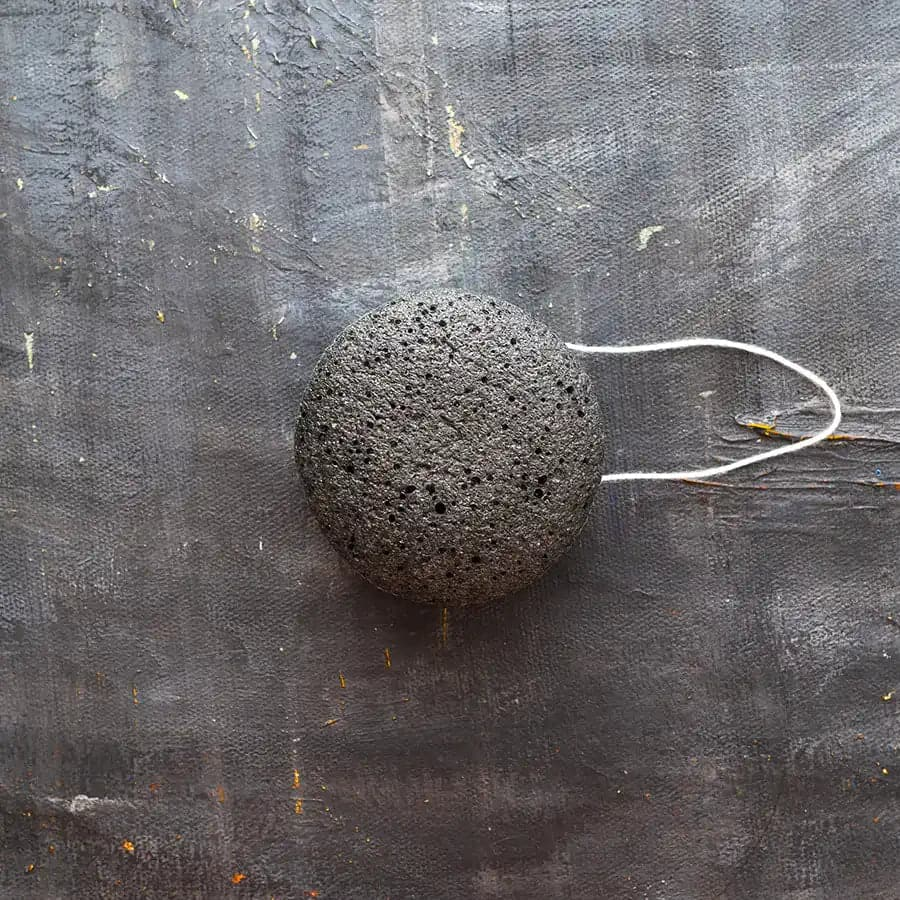
Healthy-looking skin often benefits from a routine that removes surface buildup without causing irritation. Cleansing helps remove dirt, oil, and sweat, but exfoliation can address the dead skin cells that accumulate on the skin’s surface. The right approach depends on your skin type, the area you want to treat, and how sensitive your skin is.
Body exfoliating tools come in many forms, from soft washcloths and gentle brushes to textured cloths and natural-fiber scrubbers. Each option offers a different level of friction and convenience. Choosing a suitable tool—and using it correctly—can make exfoliation a more comfortable part of a regular skincare routine.
What Are Body Exfoliating Tools?
Body exfoliating tools are products designed to help loosen and remove dead skin cells through physical exfoliation. They work by creating gentle friction against the skin during washing or bathing.
Common examples include exfoliating gloves, body brushes, textured washcloths, loofahs, and silicone scrubbers. Some are designed for use with body wash, while others can be used with water and a suitable cleanser.
These tools differ in texture, flexibility, and ease of cleaning. A soft washcloth may provide enough exfoliation for someone with sensitive skin, while a textured glove may feel more effective to someone who prefers a stronger cleansing sensation. More friction does not automatically mean better results, however. Excessive scrubbing can leave the skin irritated, dry, or uncomfortable.
Why Do People Exfoliate Their Skin?
Skin naturally sheds dead cells as part of its renewal process. Exfoliation helps remove some of the surface buildup that can make skin feel rough or look dull.
When performed gently, physical exfoliation may help with several common skincare goals.
1. Smoother Skin Texture
Areas such as elbows, knees, heels, and upper arms can sometimes feel rough. Gentle exfoliation may help improve the feel of these areas by removing loose surface cells.
The key is to avoid treating roughness as something that must be scrubbed away aggressively. Persistent rough patches may have causes that require a different approach.
2. Removing Everyday Buildup
Sweat, oils, and residue from daily activities can collect on the skin. Regular bathing with a mild cleanser is usually sufficient for general hygiene, but a gentle exfoliating tool may help remove loose surface buildup in selected areas.
Exfoliation should complement normal cleansing rather than replace it.
3. Preparing Skin for Moisturizer
After bathing, applying moisturizer helps support the skin’s protective barrier and reduce moisture loss. Some people prefer to exfoliate occasionally before moisturizing because their skin feels smoother afterward.
There is no need to exfoliate every time you shower. Overdoing it can compromise the skin barrier and make dryness more noticeable.
Types of Body Exfoliating Tools
Understanding the main options can help you select a tool that matches your preferences and comfort level.
Exfoliating Gloves
Exfoliating gloves fit over the hands and usually feature a textured surface. They allow direct control over pressure, making it easy to focus on areas such as the arms, legs, elbows, and knees.
Because the gloves cover the hands, they can be convenient to use with body wash. However, some textured varieties can be too abrasive for sensitive skin. Use light pressure and avoid irritated, broken, or recently shaved skin if it feels vulnerable.
Body Brushes
Body brushes have bristles attached to a handle, sometimes with an extended design for reaching the back. Their firmness varies, so it is important to choose a brush that feels comfortable rather than scratchy.
A softer brush may suit occasional use on less-sensitive areas. Firm bristles and vigorous brushing can cause redness or irritation, especially on dry or delicate skin.
Loofahs
Loofahs have a porous, textured structure that creates friction while helping spread cleanser across the body. They are commonly used during showers and can be convenient for everyday washing.
Their texture may be too rough for people prone to irritation. Loofahs also need to be rinsed thoroughly, allowed to dry between uses, and replaced when they begin to deteriorate or develop persistent odors.
Textured Washcloths
A textured washcloth is a simple option for people who prefer a familiar bathing product. The user can control pressure easily, and washable cloths can be rotated between uses.
Not every washcloth is designed for exfoliation. A softer fabric is generally a sensible starting point for anyone uncertain about how much friction their skin can tolerate.
Silicone Scrubbers
Silicone scrubbers often feature flexible, raised surfaces that massage the skin while helping distribute cleanser. Their nonporous construction can make them easier to rinse than some fibrous tools, although they still require regular cleaning.
Choose a product with a comfortable texture and avoid pressing hard enough to leave the skin sore.
How to Choose the Right Tool for Your Skin Type
The best tool is one that supports your routine without causing dryness or irritation. Consider your skin’s current condition as well as its usual characteristics.
For Sensitive Skin
Start with a soft washcloth or another gentle option. Use minimal pressure and limit how often you exfoliate. If your skin frequently becomes red, itchy, or uncomfortable after scrubbing, discontinue the tool rather than trying to build tolerance through repeated irritation.
People with eczema, active rashes, or damaged skin barriers should generally avoid physical exfoliation on affected areas unless a healthcare professional advises otherwise.
For Dry Skin
Dry skin may benefit more from a gentle cleanser and consistent moisturizing than from frequent scrubbing. If you choose to exfoliate, select a soft tool and avoid using it on cracked, flaky, or inflamed patches.
Apply moisturizer after bathing while the skin is still slightly damp to help retain moisture.
For Oily Skin
People with oily skin may prefer a washable tool that feels easy to rinse and maintain. However, oiliness does not mean the skin can tolerate aggressive exfoliation. Use gentle pressure and stop if you notice tightness, stinging, or persistent redness.
For Rough Areas
Elbows, knees, and heels may tolerate a different approach from more delicate areas, but vigorous scrubbing can still cause damage. Use a gentle tool and avoid trying to remove thickened skin in one session.
If roughness is persistent or painful, consider asking a healthcare professional about appropriate treatment instead of increasing friction.
How to Use a Body Exfoliating Tool Correctly
A few basic habits can make physical exfoliation safer and more comfortable.
Start with clean skin. Use lukewarm water to soften the surface and prepare for washing. Very hot water may worsen dryness.
Use a suitable cleanser. Apply a mild body cleanser if the tool is intended for use with soap or body wash. Follow the product’s instructions.
Keep pressure light. Move the tool gently across the skin without forceful back-and-forth scrubbing. The goal is mild surface exfoliation, not a deep-cleaning sensation.
Avoid delicate or damaged areas. Do not scrub over cuts, sunburn, active irritation, inflamed acne, or recently shaved skin if it is sensitive.
Rinse thoroughly. Remove cleanser and residue from both your skin and the tool.
Moisturize afterward. A fragrance-free moisturizer may be a good choice for skin that tends to become dry or sensitive.
Start conservatively rather than exfoliating daily. Frequency depends on the tool and your skin’s response; some people may not need a physical exfoliating tool at all.
Cleaning and Maintaining Your Exfoliating Tool
A body tool used in a warm, damp bathroom needs proper care. Moisture and leftover skin debris can accumulate if it is not cleaned and dried appropriately.
After use, rinse away cleanser and residue. Follow the manufacturer’s cleaning directions, since silicone, fabric, bristles, and natural fibers require different care. Hang the tool or place it in a location where air can circulate and allow it to dry fully before storing it.
Avoid sharing personal exfoliating tools. Replace them if they develop persistent odors, visible mold, damaged surfaces, or material breakdown. Keeping a spare washable cloth available can also make it easier to use a clean one between washes.
Common Exfoliation Mistakes to Avoid
Several habits can turn a useful skincare step into an irritating one.
- Scrubbing too hard: Strong pressure does not guarantee better exfoliation and can damage the skin barrier.
- Exfoliating too frequently: Daily physical exfoliation may be excessive, particularly for dry or sensitive skin.
- Ignoring discomfort: Burning, stinging, or persistent redness are signs to stop and reassess your routine.
- Using the same tool indefinitely: Tools need cleaning and eventual replacement.
- Exfoliating damaged skin: Scrubbing over sunburn, cuts, or inflamed patches can worsen irritation.
- Skipping moisturizer: Exfoliation should be followed by appropriate skin care, especially if your skin tends to feel dry.
Finding a Tool That Fits Your Routine
A good exfoliating tool should be comfortable, practical to clean, and suitable for the areas where you intend to use it. You do not need several products to create an effective routine. One gentle, well-maintained tool—or simply a soft washcloth—may be sufficient.
Before purchasing, consider the material, texture, intended use, and care instructions. If you prefer to compare different options, explore body exfoliating tools at Plantish Future to review products suited to your bathing routine.
Remember that exfoliation is optional, not a requirement for healthy skin. Gentle cleansing, moisturizing, and protecting your skin from excessive sun exposure remain important parts of everyday care.
Final Thoughts
Choosing body exfoliating tools is less about finding the roughest texture and more about identifying an option your skin can tolerate. Soft washcloths, exfoliating gloves, brushes, loofahs, and silicone scrubbers all offer different experiences, but none should leave your skin sore or inflamed.
Start gently, keep the tool clean, moisturize after bathing, and adjust your routine based on how your skin responds. With a sensible approach, exfoliation can remain a simple addition to personal care rather than a source of unnecessary irritation.