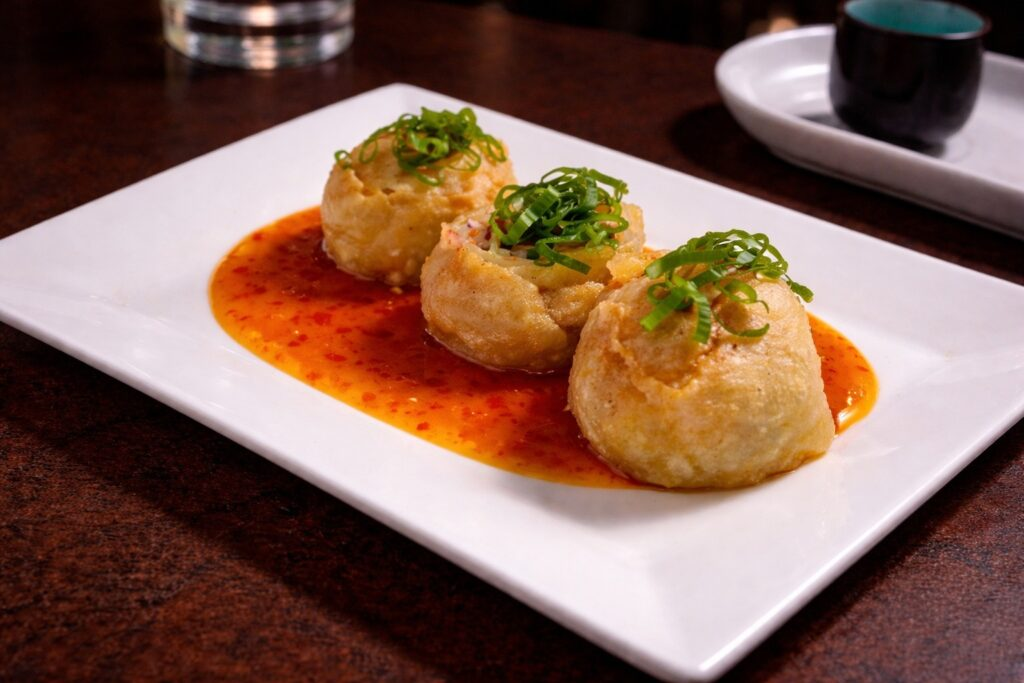
West Palm Beach offers plenty of opportunities to enjoy seafood in different forms, from grilled fish and shrimp dishes to sushi, seafood salads and flavourful coastal-inspired meals. The area’s dining scene brings together familiar American favourites and dishes influenced by cuisines from around the world.
For residents and visitors, exploring seafood in West Palm Beach can be as much about discovering new flavours as enjoying a reliable favourite. Understanding different preparation styles, choosing complementary side dishes and knowing what to look for on a menu can help make each dining experience more enjoyable.
Discover the Variety of Seafood in West Palm Beach
Seafood menus often include several categories, allowing diners to choose based on flavour, texture and appetite. Some dishes highlight the natural taste of fish, while others use marinades, sauces and seasonings to create more pronounced flavours.
Common options include:
- Grilled fish: Often served with vegetables, rice or potatoes, grilled fish suits diners who prefer a straightforward preparation.
- Shrimp dishes: Shrimp can be grilled, sautéed, fried or incorporated into pasta and rice dishes.
- Fried seafood: Crisp coatings provide a different texture and are often paired with dipping sauces.
- Sushi and seafood rolls: These offer combinations of seafood, rice, vegetables and other ingredients.
- Seafood salads: Lighter preparations can combine seafood with greens, citrus dressings and fresh vegetables.
- Seafood platters: Mixed selections allow diners to sample more than one variety in a single meal.
When comparing a seafood restaurant in West Palm Beach, review the menu to see which preparations and ingredients are available. A varied menu can be particularly helpful when dining with people who have different tastes.
Why Ingredient Quality Matters
Seafood has a distinctive texture and flavour that can be affected by storage, handling and cooking. Fish can become dry when overcooked, while shrimp may lose their tenderness if exposed to heat for too long.
Restaurants should follow appropriate food safety procedures for receiving, storing and preparing seafood. Proper refrigeration, clean preparation areas and suitable cooking temperatures help protect customers and preserve food quality.
Diners can look for clear menu descriptions and ask staff about unfamiliar ingredients or preparation methods. Some menus identify specific fish varieties, while others describe the cooking technique and accompanying sauce.
A few useful considerations include:
- The type of fish, shellfish or other seafood used.
- Whether the dish is grilled, fried, steamed or served raw.
- The sauces and seasonings included.
- The side dishes served with the main ingredient.
- Any relevant allergen information.
These details help diners choose dishes that match their preferences instead of relying only on a menu photograph or general description.
Try Seafood Appetizers Before the Main Course
Appetizers offer an opportunity to sample seafood flavours in smaller portions. They can be shared among a group or ordered individually before a main course.
Popular seafood starters include shrimp cocktail, calamari, crab cakes, ceviche and small grilled seafood portions. Availability varies by restaurant, but these dishes demonstrate how different preparation methods affect flavour and texture.
A crisp fried starter may pair well with a refreshing salad, while a citrus-based seafood dish can provide a lighter beginning to a meal.
When ordering starters, consider the following:
- Choose portions that leave room for the main course.
- Combine different textures, such as grilled and crisp preparations.
- Check sauces and seasonings if you prefer mild flavours.
- Ask about ingredients when ordering for someone with dietary restrictions.
- Consider sharing several starters to sample more of the menu.
A thoughtful selection of appetizers can make a meal feel more varied without requiring everyone to order a large entrée.
Explore International Seafood Flavours
Seafood is prepared differently across culinary traditions. Exploring these variations can introduce diners to new ingredients, cooking techniques and flavour combinations.
Japanese cuisine is well known for sushi and sashimi, where preparation and ingredient quality influence the final dish. Sushi rolls may combine seafood with rice, vegetables, sauces and other ingredients, creating a range of textures and flavours.
Peruvian cuisine offers another distinctive approach. Ceviche commonly features seafood prepared with citrus, chilli and other seasonings, although recipes vary by region and chef. Grilled seafood and seafood stews also appear in different Latin American culinary traditions.
Other styles include Mediterranean preparations featuring olive oil, herbs and lemon, as well as Southern American seafood dishes that use bold seasonings and frying techniques.
Trying different cuisines can help diners find new favourites. Reviewing the menu before visiting is a useful way to identify unfamiliar dishes and understand how they are prepared.
Pair Seafood With the Right Side Dishes
Side dishes can complement seafood by adding freshness, texture or a contrasting flavour. The best pairing depends on the main ingredient and its preparation.
Grilled fish often works well with steamed vegetables, rice or roasted potatoes. Fried seafood may pair nicely with a crisp salad or a tangy sauce that balances the richness of the coating.
Shrimp dishes can be served with rice, pasta or vegetables, depending on the seasoning and cooking style. Sushi meals may include suitable accompaniments that complement the rice and seafood.
Consider these pairing ideas:
- Grilled fish with vegetables: A simple combination that lets the seafood remain the main focus.
- Shrimp with rice: A practical pairing for dishes with garlic, herbs or savoury sauces.
- Fried seafood with salad: Fresh vegetables can provide contrast to a crisp coating.
- Seafood pasta with herbs: Herbs and balanced sauces can complement the seafood without overpowering it.
- Sushi with suitable accompaniments: Choose additions that complement the ingredients and your preferred flavour profile.
Portion sizes also matter. Ordering several rich dishes at once may make the meal feel heavier than intended, particularly when appetizers and desserts are included.
What to Consider When Choosing a Seafood Restaurant
A restaurant’s menu is only one part of the dining experience. Service, atmosphere, location and value can all influence whether a visit suits the occasion.
For a casual lunch, convenient access and a straightforward menu may be priorities. For a family dinner or celebration, seating arrangements and a range of dishes may be more important.
Before choosing a restaurant, consider:
- Menu variety: Does it offer options for different tastes and appetites?
- Preparation methods: Are there choices such as grilled, fried or raw seafood where appropriate?
- Price transparency: Are prices and portion details clear?
- Customer feedback: Do recent reviews provide consistent information about food and service?
- Accessibility: Is the location convenient for your group?
- Reservations: Would booking ahead help avoid waiting during busy periods?
The The Catch Seafood & Sushi website is a useful place to begin researching the restaurant, its available information and dining options.
Keep Dietary Needs in Mind
Seafood dining requires extra care for people with allergies or specific dietary restrictions. Fish and shellfish are common allergens, and sauces, batters or marinades may contain additional ingredients that are not immediately obvious.
Anyone with an allergy should inform restaurant staff before ordering and ask about ingredient handling and the possibility of cross-contact. For serious allergies, do not assume a dish is safe simply because the main ingredient appears suitable.
Other considerations include:
- Checking whether fried items contain wheat or other allergens.
- Asking about sauces and marinades.
- Confirming how raw or lightly cooked seafood is prepared.
- Requesting ingredient details for unfamiliar dishes.
- Choosing appropriate alternatives when a dish does not meet dietary needs.
Clear communication helps diners make informed decisions and allows restaurant staff to explain what they can safely accommodate.
Enjoy Seafood According to the Occasion
Different dining occasions call for different choices. A quick lunch may suit a simple fish dish or shrimp entrée, while a longer dinner can provide an opportunity to sample appetizers, share several dishes and try unfamiliar flavours.
Groups can benefit from choosing a mixture of seafood preparations, provided the restaurant offers suitable options. Sharing appetizers and selecting different main courses allows everyone to experience more variety.
Visitors should also consider practical details such as travel time, parking and reservation requirements. Checking current menu information before leaving can help avoid disappointment if a particular dish is unavailable.
Make More of Your Next Seafood Meal
Enjoying seafood in West Palm Beach means having the freedom to explore different ingredients, cooking styles and culinary influences. From straightforward grilled fish to sushi and citrus-seasoned seafood, there are many ways to find a dish that suits your taste.
Reviewing menus, paying attention to preparation methods and considering ingredient quality can help you choose confidently. With a little planning, a seafood meal can become an opportunity to discover new flavours, share dishes with friends and enjoy the variety offered by the local dining scene.